The short answer
Pick by what you need, then buy the car with the cleanest record. Under $15,000 there are commuter sedans (Hyundai Sonata and Elantra, Chevrolet Impala), small SUVs (Hyundai Tucson, Jeep Renegade), small and full-size work vans, and pickups (Nissan Frontier, RAM 1500).
On any of them, run the VIN for open recalls, match the service records to the miles, and have it inspected. If $15,000 has to cover Virginia’s tax, title and registration and our processing fee as well, look at cars priced up to about $13,500. What’s on our lot under $15,000 today is right below.
Under $15,000 on our lot now
Live from our lot at 4606 Harrison Rd, Fredericksburg. Updated every few hours.

2019 Honda Accord
Lx
Est. $295/mo*
Details→
2015 Ford Transit
Connect Cargo Xl
Est. $261/mo*
Details→
2012 Hyundai Sonata
Limited
Est. $318/mo*
Details→
2016 Chevrolet Impala
Lt
Est. $295/mo*
Details→
2022 Ram Promaster
City Wagon
Est. $318/mo*
Details→
2017 Ford Explorer
Limited
Est. $284/mo*
Details→*Estimate only: 12.9% APR, 60 months, $1,000 down, with approved credit. Excludes the $799 dealer processing fee, taxes, tags and title.
Commuter sedans
Every model on this page is one we’ve had on our lot at $15,000 or less. We don’t rank them: at this price, a car’s own history, how it was maintained and whether its recalls were fixed, tells you more than its badge. Under each is what to check by model year, from NHTSA’s recall records and, for Hyundai’s engines, the maker’s own bulletin. A recall covers certain vehicles of the years shown, not every one; enter the VIN at nhtsa.gov/recalls to see whether one is open on the car in front of you. For crash-test results by model year, see NHTSA’s 5-Star Safety Ratings and IIHS.
Hyundai Sonata
A midsize sedan. Most of what to check on a 2011 to 2018 Sonata concerns its 2.4-liter and 2.0-liter direct-injection engines, which Hyundai calls Theta II.
See our Hyundai Sonata listings
What to check
2011–2012, built in Alabama · NHTSA 15V-568
Metal debris left from manufacturing can restrict oil to the connecting rod bearings. The warning sign is a metallic, rhythmic knocking from the engine; the risk is engine failure and a stall. Fix: an inspection, and a new engine where needed.
2013–2014 · NHTSA 17V-226
Machining errors can wear the engine’s bearings early, and the engine can seize. Fix: an inspection, and a new short block where needed.
2011–2014 with a replacement engine · NHTSA 18V-934
The high-pressure fuel pipe may have been damaged, misaligned or left loose when the engine was replaced under the recalls above: a fuel leak and a fire risk. Fix: an inspection, and a new pipe where needed.
2013–2014 · NHTSA 22V-312
The low-pressure fuel hose can crack from engine heat and leak: a fire risk. It replaces an earlier recall (20V-121) whose fix didn’t always include a new hose. Fix: a new hose.
Hyundai’s engine class-action settlement, which a federal court approved in May 2021 (approval order), gives 2011 to 2018 and some 2019 Sonatas with these engines a limited lifetime warranty on the engine’s short block for bearing wear or damage (Hyundai’s 2020 bulletin). The settlement site says it passes to later owners, used buyers included, for cars owned by individual consumers, but only once Hyundai’s knock sensor software update (campaign 953) has been done and the car has been maintained as the owner’s manual says (settlement FAQs). Check the update by VIN on Hyundai’s recall lookup or with a Hyundai dealer, and ask for the service records.
Hyundai Elantra
Hyundai’s smaller sedan, a size down from the Sonata.
What to check
2011–2015 · NHTSA 23V-651
The anti-lock brake module can leak brake fluid inside and short, which can start a fire in the engine compartment, parked or driving. Until it’s fixed, NHTSA’s record tells owners to park outside and away from buildings. Owner letters went out in 2024. Fix: a new fuse for the module.
2015–2016, and the 2016 Elantra GT · NHTSA 26V-307
The driver’s air bag inflator can rupture when it deploys and throw sharp metal fragments. It was filed in May 2026; Hyundai mailed interim letters in July 2026 and expected the final repair from August 2026, so on a used car it may well still be open. Fix: an inspection, and a new inflator where needed.
2019–2020 with the 2.0-liter engine · NHTSA 21V-301
The piston oil rings may not have been heat-treated properly, which can damage the engine: a stall, or oil on hot exhaust parts and a fire risk. Fix: an inspection, a new engine where needed, and Hyundai’s piston ring noise software.
Chevrolet Impala
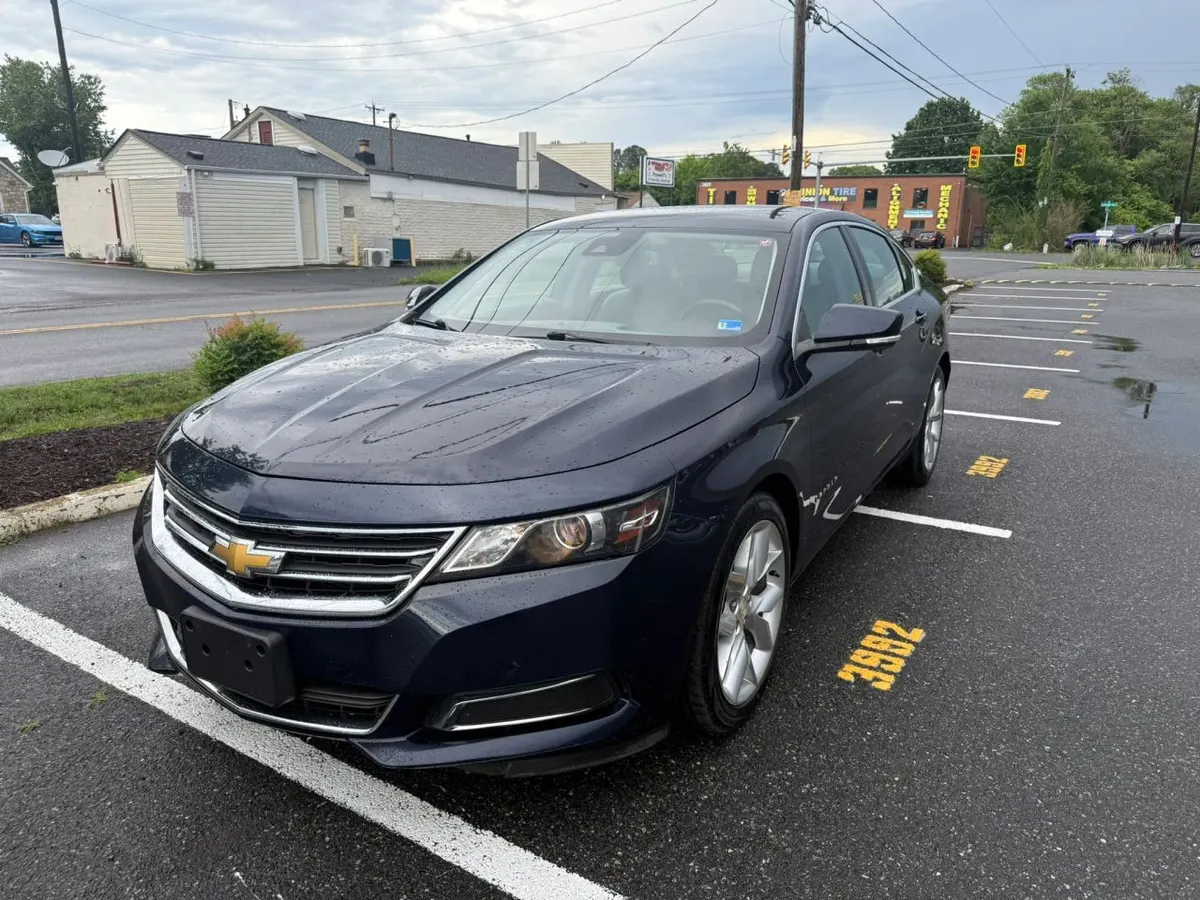
Chevrolet’s large sedan; the one in the photo at the top of this page is a 2016.
What to check
2014–2015 · NHTSA 14V-541, 15V-085 and 15V-202
The electronic parking brake may not fully release, so the pads keep rubbing the rotors: too much heat and a fire risk. Fix: a software update; the two 2015 campaigns redo 2014 cars fixed incorrectly the first time. On a test drive, check the car rolls freely once the brake is off, and that there’s no hot-brake smell afterward.
2014–2015 with ventilated, heated front seats · NHTSA 15V-465
The passenger air bag may not switch off with a child seat in the front passenger seat. Fix: the occupant sensor reset.
2018–2019 · NHTSA 18V-576
Gas pockets can form at the rear brake caliper pistons and reduce rear braking. Fix: the brakes bled.
Small SUVs
A small SUV gives you a higher seat and a hatch for cargo. Whether a particular one has all-wheel or four-wheel drive depends on the version, so check the badge and the listing rather than assuming.
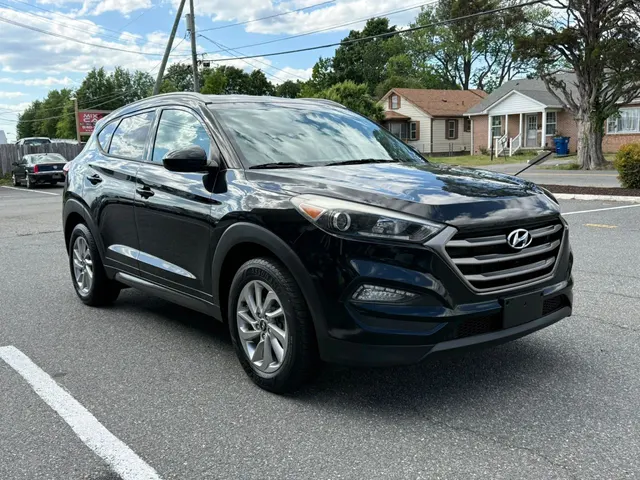
Hyundai Tucson
A compact SUV.
What to check
2016–2021 · NHTSA 20V-543
The anti-lock brake control unit can corrode inside and short, which can start a fire in the engine compartment. Until it’s fixed, NHTSA’s record tells owners to park outside and away from buildings. Fix: a new fuse for the unit, plus stability-control software on 2019 to 2021 models.
2017 · NHTSA 21V-727
The engine’s connecting rod bearings can wear early: engine damage, a fire risk or a stall. Fix: an inspection, a new engine if the bearings are damaged, and Hyundai’s knock sensor software.
2016 with the seven-speed dual-clutch automatic · NHTSA 16V-628
In high heat, after the accelerator is pressed and released repeatedly, the SUV may not move. Fix: transmission software.
The 2014, 2015, 2018 and some 2019 Tucsons with a Theta II 2.0- or 2.4-liter direct-injection engine are in the same settlement and lifetime engine warranty as the Sonata above, on the same conditions (settlement FAQs).
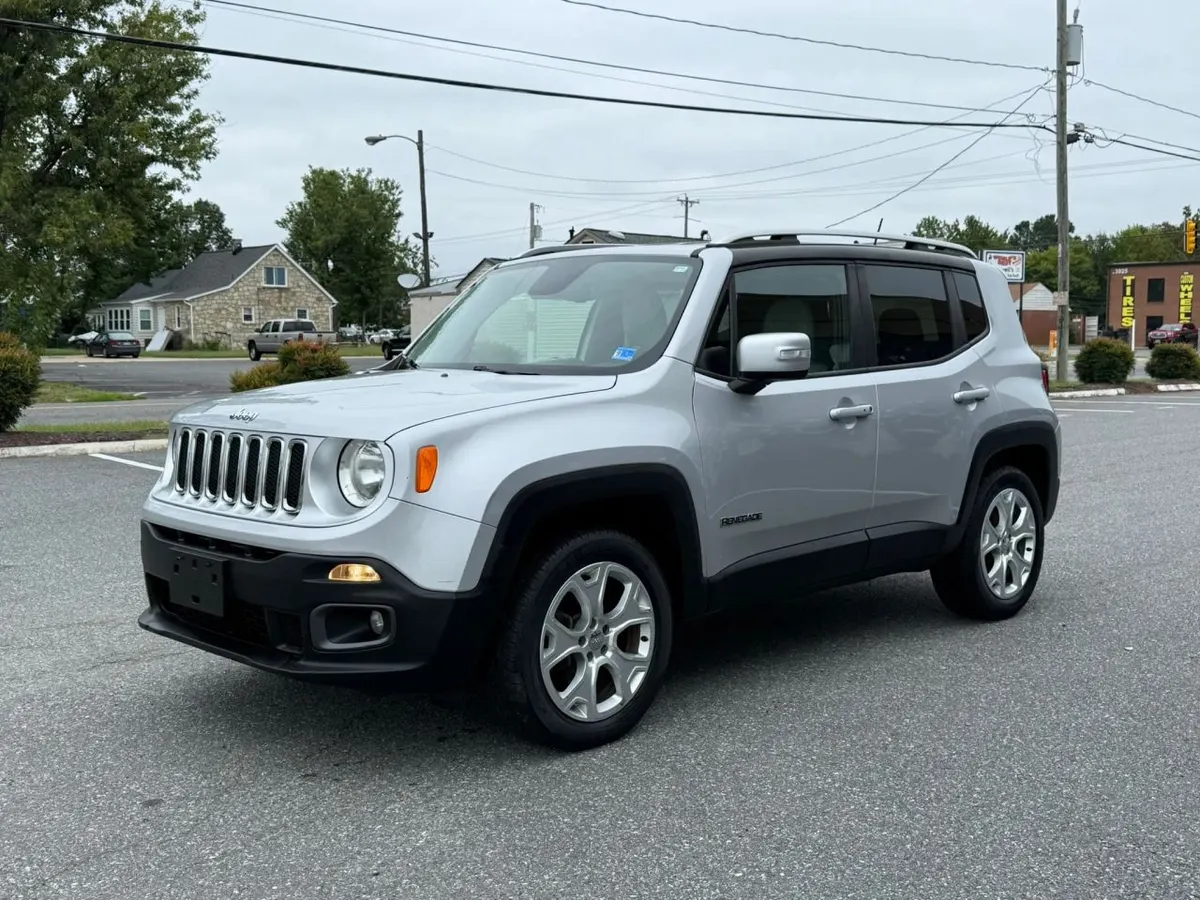
Jeep Renegade
A small SUV.
What to check
2015 with the nine-speed automatic · NHTSA 16V-529
Poorly crimped wiring at the transmission’s sensors can let it shift into neutral on its own. Fix: reprogramming, and a new wiring harness where needed.
2017 with the 2.4-liter engine · NHTSA 18V-131
The oil pump housing can be cracked, so the oil pump can fail and the engine stall. Fix: an inspection, and a new pump module where needed.
Work vans
Both small cargo vans and older full-size vans turn up under $15,000. By the makers’ published cargo volumes, the shortest full-size vans hold about twice what a small one does (compared here). The Nissan NV200, Chevrolet Express and Dodge Sprinter have been on our lot at this price too.
RAM ProMaster City
RAM’s small cargo van.
See our RAM ProMaster City listings
What to check
2020–2021 · NHTSA 21V-147
The anti-lock brake module can be damaged inside, which can mean a loss of braking performance or of automatic emergency braking, without warning. Fix: a new module.
2018 · NHTSA 18V-149
A casting defect can crack the steering rack’s gears and leak fluid, so steering suddenly takes more effort. Fix: an inspection, and a new steering rack where needed.
RAM ProMaster
RAM’s full-size cargo van.
See our RAM ProMaster listings
What to check
2019–2021 with the 62TE six-speed automatic · NHTSA 23V-301
Debris in the transmission can stop the parking pawl from fully engaging, so a van left in Park can roll away. Fix: software, an inspection, and transmission parts or a new transmission as needed.
2018–2026 · NHTSA 25V-720
The radiator fan’s circuit can overheat: a fire risk. Owner letters went out from December 2025 into 2026, so it may still be open on a used van. Fix: a new fan module and fuse.
The full recall lists are in the best used cargo vans for small business for the small vans and RAM ProMaster vs Ford Transit for the full-size ones. What to inspect on any used work van, from engine hours to holes left by shelving, is in the used cargo van buyer’s guide. Browse every cargo van we have.
Pickups
On any used pickup, look underneath for rust on the frame, look at the hitch and wiring for signs of heavy towing, and read the label on the driver’s door pillar for what it’s rated to carry.
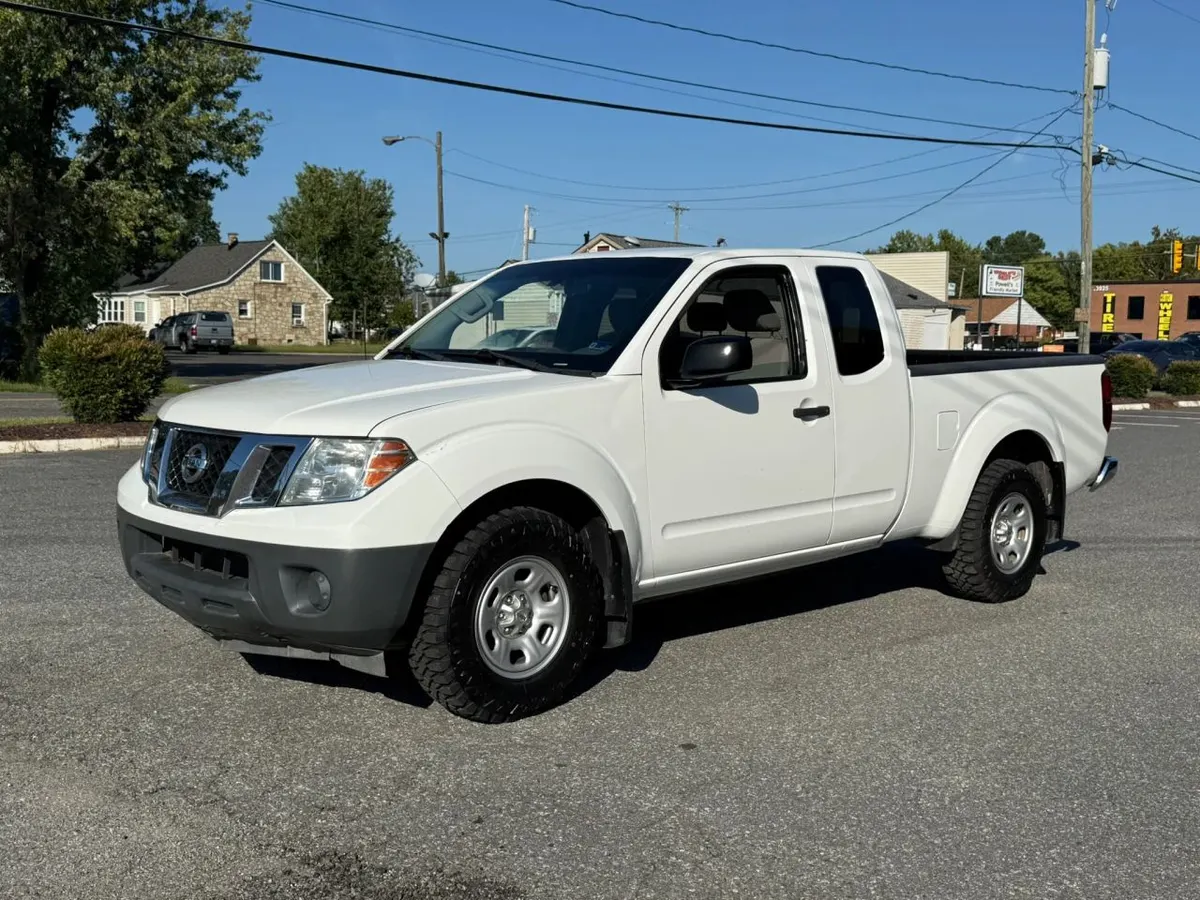
Nissan Frontier
Nissan’s midsize pickup.
See our Nissan Frontier listings
What to check
2020–2022 · NHTSA 22V-457 and 22V-671
The transmission’s parking pawl may not engage when you shift into Park, so the truck can roll away. NHTSA’s record tells owners to set the parking brake every time until it’s fixed. Fix: a new parking pawl pin under the first campaign, transmission software under the second.
2012–2014, built November 2012 to December 2013 · NHTSA 14V-052
A circuit breaker may have been installed facing the wrong way, so its wiring can rub on a bolt and short: a fire risk. Fix: an inspection, and a repair where needed.
RAM 1500
RAM’s full-size pickup. From 2019 the older design was also sold as the 1500 Classic, alongside a redesigned 1500.
What to check
2015–2018, and the 2019–2020 1500 Classic (not the redesigned 1500) · NHTSA 21V-632, 25V-010, 25V-592 and 25V-824
Four campaigns cover the side curtain air bags, whose inflators can rupture or lose an end cap and throw metal pieces into the cab. Three of them date from 2025, so one may still be open on a truck you’re looking at. Fix: new curtain air bags as needed.
2013–2018 with a power-locking tailgate · NHTSA 19V-347 and 18V-486
A tab in the tailgate latch actuator can break, letting the tailgate open while you drive. Fix: a tailgate latch repair.
Chevrolet Silverado 1500
Chevrolet’s full-size pickup.
See our Chevrolet Silverado 1500 listings
What to check
2014–2018 · NHTSA 19V-645
The vacuum the brake vacuum pump makes can drop over time, so braking takes more effort and stopping distances grow. Fix: brake control software.
2016–2017 · NHTSA 16V-256
The front upper control arms may have weak welds and can separate at the bushing, affecting steering; NHTSA’s record told owners not to drive until repaired. Fix: new upper control arms and an alignment.
See our work trucks and vans.
What $15,000 buys: age and miles
Right now the vehicles on our lot at $15,000 or less run from 2003 to 2022 model years. The median model year is 2016, and the median mileage about 126,000.
That’s the trade at this price: an older car with fewer miles, or a newer one with more. To judge the miles, compare them with the car’s age. U.S. cars, SUVs, pickups and vans averaged 10,787 miles each in 2024, by the Federal Highway Administration’s count (FHWA, Highway Statistics 2024, Table VM-1). At that pace, a car on the road for 10 years has covered about 108,000 miles; well under that is low for its age.
Newer, more miles. The question is whether the maintenance kept up: compare the service records with the owner’s manual schedule for that mileage. Don’t assume any factory warranty is left, or that it passes to you: Hyundai’s 10-year/100,000-mile powertrain warranty, for example, covers the original owner only, and later owners get 5 years or 60,000 miles (Hyundai).
Older, fewer miles. A car that sat still ages anyway. NHTSA warns that drivers with low yearly mileage are more at risk from aging tires, because the tires get old before they wear out (NHTSA, Tires), so read each tire’s date code. And NHTSA’s VIN lookup doesn’t show recalls more than 15 years old, so on an older car ask a dealer of that brand to check the VIN as well.
Out the door. In Virginia, a car priced at $15,000 costs more to drive home. For a car or SUV up to 4,000 lb, the 4.15% sales and use tax ($655.66), the $15 title and $30.75 registration, plus our $799 processing fee, which Virginia taxes as part of the price, bring the total to about $16,500; local fees vary. If $15,000 is your whole budget, look at cars priced up to about $13,500. Every line is explained in what you pay when buying a used car in Virginia.
Before you buy
Whatever you pick, go through it with our used car inspection checklist, which you can print: outside, under the hood, inside, tires and brakes, a test drive and the paperwork. On a car you’re serious about, pay an independent mechanic for a pre-purchase inspection, and bring the recall notes above for that model.
If you’re paying over time, start with our financing page or how to finance a car with bad credit in Virginia. If you have a car to trade, get a trade-in value. Or browse everything on our lot.
Have a question about a car under $15,000?
Questions people ask
What is the best used car to buy for under $15,000?
The one that fits what you need and has the cleanest record. For commuting, a sedan such as a Hyundai Sonata or Elantra or a Chevrolet Impala; for more room, a small SUV such as a Hyundai Tucson or Jeep Renegade; for work, a small cargo van or a pickup such as a Nissan Frontier or RAM 1500. Then check the one in front of you: open recalls by VIN, service records and an independent inspection.
Can you get a reliable car for $15,000?
Yes, but judge the car, not the model. Every model on this page has had safety recalls; what matters is whether they were fixed, whether the maintenance was done on time, and what an independent mechanic finds. A car with service records and no open recalls is a safer bet than one with fewer miles and no history.
How many miles is too many on a used car?
There’s no single cutoff. Compare the miles with the car’s age: U.S. light-duty vehicles averaged 10,787 miles each in 2024, by the Federal Highway Administration’s count, so about 108,000 miles over 10 years is typical. Past that, what matters is whether the records show the maintenance the owner’s manual calls for at that mileage.
Is a low-mileage car under $15,000 worth it?
It can be, if the low miles are real and the car was looked after. At this price, fewer miles usually means an older car, and age wears out rubber as well as miles do: NHTSA warns that low-mileage drivers are more at risk from aging tires, so check each tire’s date code. Make sure the odometer agrees with the title and the service records.
What does a $15,000 car cost out the door in Virginia?
About $16,500 for a car or SUV up to 4,000 lb: Virginia’s 4.15% sales and use tax ($655.66), the $15 title and $30.75 registration, and our $799 dealer processing fee, which Virginia taxes too. Local fees vary. For a $15,000 total, look at cars priced up to about $13,500.
Do 2011–2014 Hyundai Sonatas have engine problems?
They’ve had engine recalls. NHTSA campaigns 15V-568 (2011 and 2012 cars built in Alabama) and 17V-226 (2013 and 2014) cover engine bearing wear that can lead to engine failure; the fix ranged from an inspection to a new engine. Under Hyundai’s engine class-action settlement, which a federal court approved in May 2021, 2011 to 2018 and some 2019 Sonatas with these engines also have a limited lifetime warranty on the engine’s short block for bearing wear or damage. The settlement site says it passes to used buyers, for cars owned by individual consumers, once Hyundai’s knock sensor software update has been done and the car has been maintained as the owner’s manual says. Ask for proof of the recall repairs and the update, and for the service records.