The short answer
Check a used car in six passes: outside, under the hood, inside, tires and brakes, a test drive, and the paperwork. The 30 checks below cover all six; tick them off on your phone or print the list.
Don’t skip the paperwork: run the VIN for open recalls and get a title history. A Virginia inspection sticker covers safety items only, so on a car you’re serious about, pay an independent mechanic to look too.
The checklist
Work through it in this order, and ask for the engine to be cold when you arrive. Tap each check as you go (nothing is saved or sent), or print a paper copy to take along. The checklist is a buyer’s walk-around: it finds reasons to ask questions or walk away, and it doesn’t replace a mechanic with a lift.
Used car inspection checklist: 30 things to check. Mix Cars, mixcars.net
0 of 30 checked
Buying a work van? Add the van checks in the used cargo van buyer’s guide: the sliding and rear doors, the cargo floor and the holes old shelving and racks leave behind. The recalls to look for on common models under $15,000 are in our guide to the best used cars under $15k.
How to do the harder checks
Under the hood
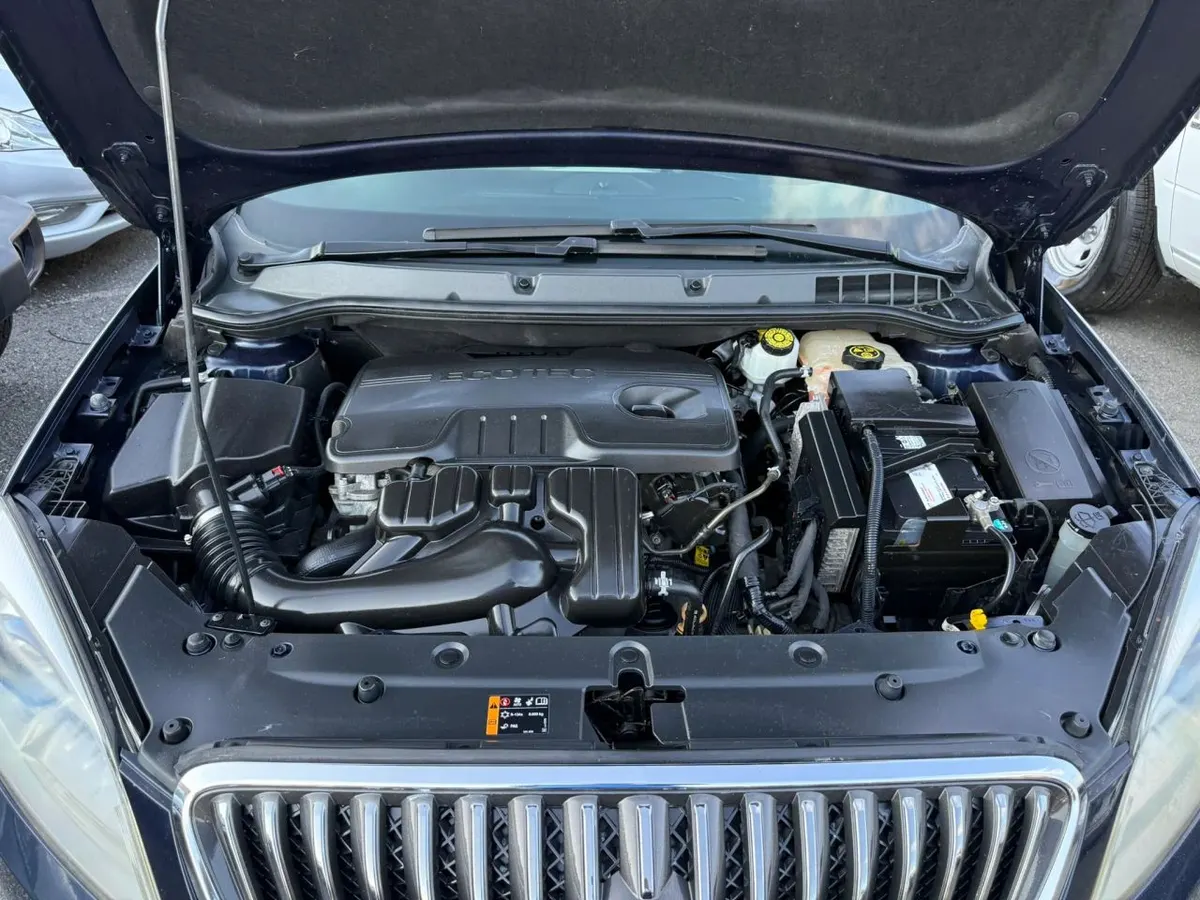
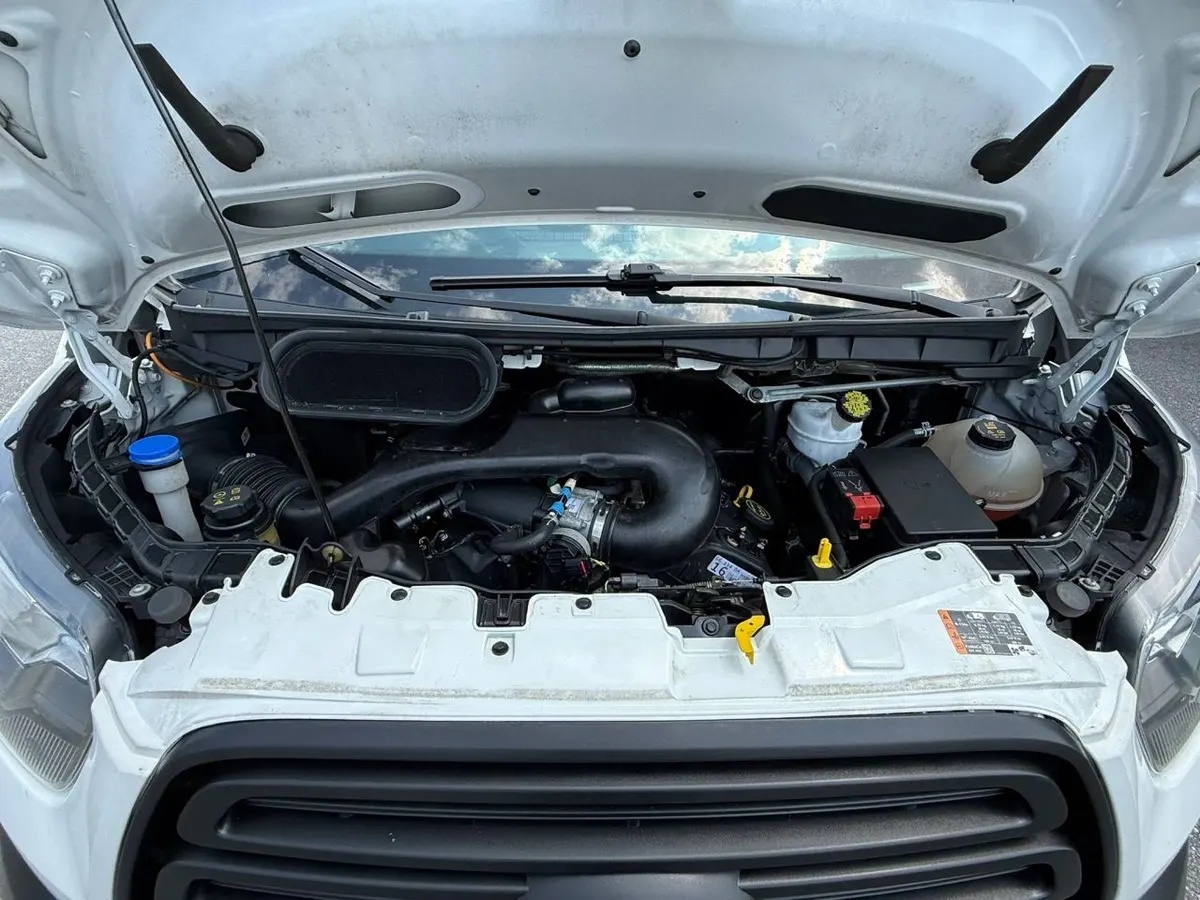
Open the hood with the engine off and cool. The fluid reservoirs are the see-through plastic tanks with a minimum and a maximum mark; the level should sit between them. Virginia’s safety inspection rejects low brake fluid and any brake fluid leak at a line, cylinder or caliper (19VAC30-70-80); low or leaking power steering fluid, or a power steering belt with a chunk missing or a deep crack (19VAC30-70-110); and a battery that isn’t held down (19VAC30-70-260). A leak you find now is a repair to price in, or a reason to ask for it to be fixed before you buy.
The dash at start-up
Turn the key to on before you start the engine. Many warning lights come on briefly to show they work, then go out. Chevrolet’s guide to its warning lights, for example, says the brake warning light flashes at start-up to show it’s working, and that an airbag light that stays on means the airbag system has a problem; a check engine light means the car has detected a malfunction in the engine or its related systems (Chevrolet). Have any light that stays on diagnosed before you agree on a price.
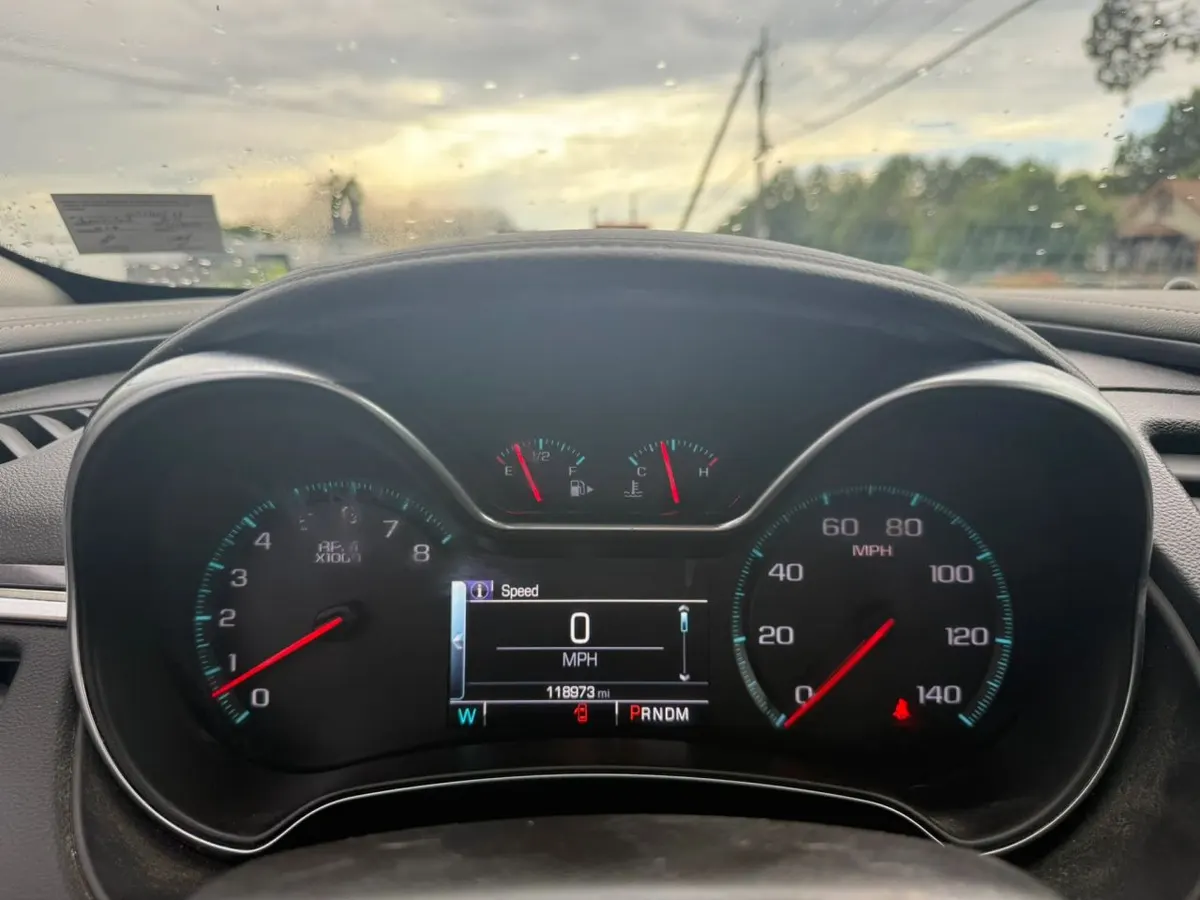
This cluster, photographed with the key on, shows two red lights: the seat-belt reminder and the door-ajar light, which Chevrolet says comes on when a door is open or not fully latched. Virginia’s inspection checks that the red brake warning light comes on at start-up (19VAC30-70-80), but its airbag light check is advisory only (19VAC30-70-290), so a car can pass with the airbag light on. Check it yourself.
Tires, and the spare
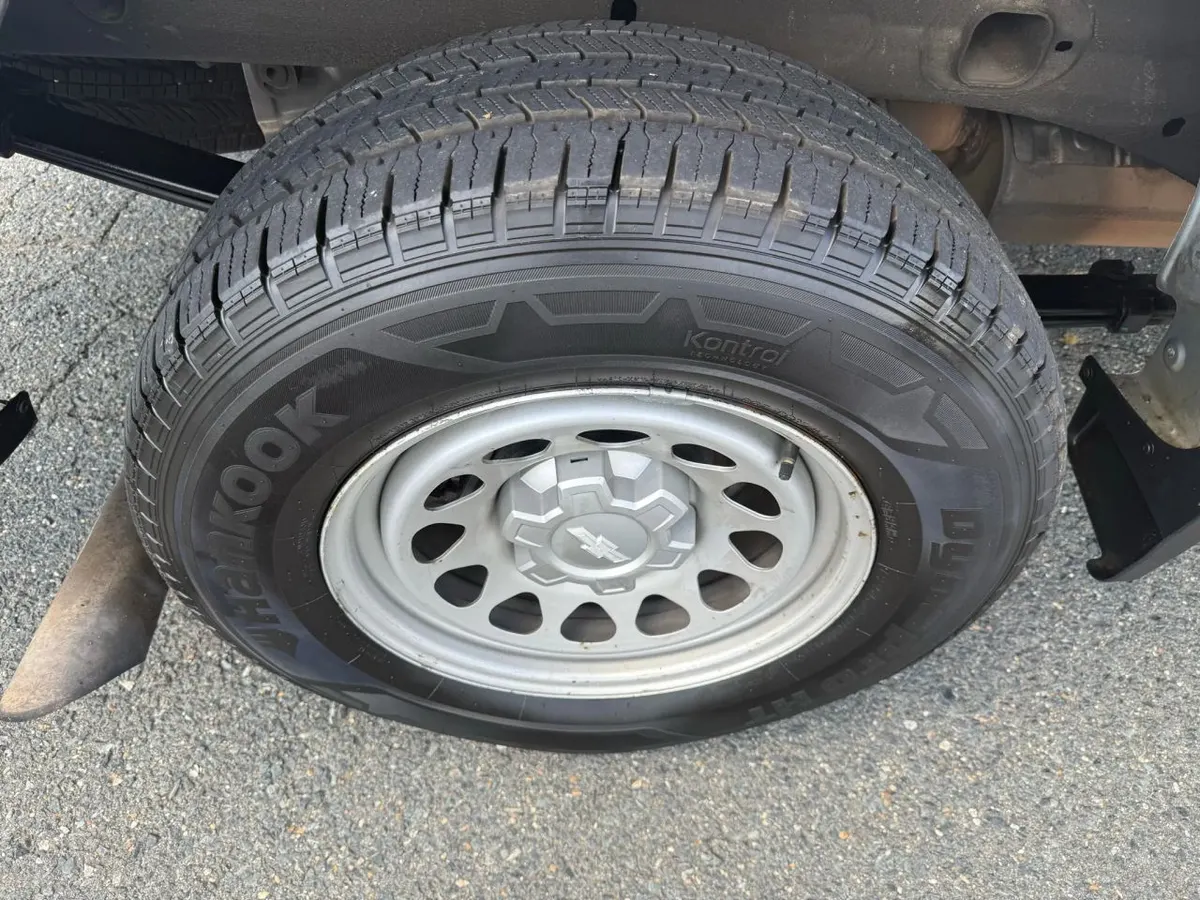
NHTSA says a tire is worn out when its tread is down to 2/32 in; the penny test shows it (NHTSA, Tires). Virginia’s inspection rejects tires below the same line (19VAC30-70-130). Tires also age: NHTSA notes that some vehicle and tire makers recommend replacing tires six to 10 years old whatever their tread, and that the last four digits of the DOT code give the week and year a tire was made (0308 is the third week of 2008).
Check the spare too. NHTSA says spares are prone to aging because they seldom get replaced. On a pickup it hangs under the bed, like the one below; on most cars it’s under the trunk floor. And a space-saver spare still on an axle fails the Virginia inspection.
The paperwork
Recalls. The 17-character VIN is at the lower left of the windshield and on the registration card. Enter it at nhtsa.gov/recalls: the search lists the safety recalls not yet repaired on that exact car. It won’t show recalls already fixed, some just-announced ones whose VINs aren’t loaded yet, or recalls more than 15 years old, so on an older car, ask a dealer of that brand to check the VIN as well.
Title. A report from the National Motor Vehicle Title Information System (NMVTIS) shows the title’s brand history, such as junk, salvage or flood, the latest reported odometer reading, and whether an insurer declared the car a total loss. The Justice Department’s NMVTIS site links to where to buy one, and warns that not every source reports to it yet, so a clean result can miss something (NMVTIS). The FTC’s signs of flood damage are worth checking in person: mud or sand under the seats or dashboard, rust around the doors, loose, stained or mismatched carpet, and a smell of mold or of strong cleaning products (FTC).
Odometer. NHTSA’s advice: compare the odometer with the mileage on the title and on the service and inspection records, look for oil-change stickers on the windows, door frames or under the hood, and check that the wear on the pedals fits the miles (NHTSA, Odometer Fraud).
Buyers Guide. A dealer must post one on every used car. It says whether the car is sold “as is” or with a warranty, and if it and the sales contract disagree, the Buyers Guide wins. If the “as is” box is checked, have any promise to repair something written on the guide (FTC).
What Virginia’s safety inspection covers
A vehicle registered in Virginia and operated or parked on a highway in the state needs a safety inspection at an official inspection station (§ 46.2-1157), at least once every 12 months (§ 46.2-1158). The sticker expires on the last day of the month shown on it. A car bought out of state must be inspected once it’s registered here, with no grace period, so the State Police suggest having it done before you register (Virginia State Police). A station may charge no more than $20 for a car, SUV, van or pickup, and $1 to recheck one it rejected if you bring it back within the rejection sticker’s 15 days (§ 46.2-1167).
The inspector works from the State Police’s inspection rules. For cars, SUVs, pickups and vans rated up to 10,000 lb gross vehicle weight, they cover:
- Brakes and the parking brake: pads and linings at least 2/32 in thick, no leaks at the lines, calipers or master cylinder, a straight stop, and a parking brake that holds and fully releases. An automatic must start only in Park or Neutral. (19VAC30-70-80, 90)
- Steering and suspension: no shimmy or wander, no leaking or low power steering, no torn or missing rack-and-pinion boot, and no broken or sagging springs. (19VAC30-70-110)
- Tires, wheels and rims: at least 2/32 in of tread, no cut into the fabric, no bulge or visible cord, no space-saver spare on an axle, and no loose or missing lug nuts. (19VAC30-70-130)
- Lights: headlights, tail, brake and parking lights, turn signals and hazards, backup and license plate lights, and reflectors. (19VAC30-70-140, 150, 160, 170, 180, 190)
- Glass, mirrors, wipers and defroster: windshield chips and cracks within the limits below, mirrors intact and tight, wipers that clear both sides, and a defroster that blows warm air. (19VAC30-70-210, 220, 230)
- Horn, doors, hood latch and battery: a working horn, front doors that open from inside and out and stay latched, a hood that latches, and a battery held down. (19VAC30-70-240, 250, 260)
- Floor, seats, seat belts and airbags: no floor rusted through, seats anchored, belts that aren’t torn or frayed and still work, and no airbag deployed and not replaced. (19VAC30-70-270, 280, 290)
- Exhaust, emissions equipment and fuel system: no exhaust leaks, pollution-control parts such as the catalytic converter in place and working, no fuel leaks, and a fuel cap. (19VAC30-70-300, 310, 320)
On the windshield, the rule the State Police quote rejects a pit, chip or star crack larger than 1½ in across anywhere above the bottom 3 in, and more than one crack from the same point if any is longer than 1½ in (19VAC30-70-210).
What the inspection doesn’t judge is how long the engine and transmission will last. A torn CV-joint boot, for example, isn’t a reason to reject (19VAC30-70-110). The FTC puts it plainly: “A mechanical inspection is different from a safety inspection. Safety inspections usually only focus on things that make a car unsafe to drive” (FTC).
Emissions testing is a separate program, run by Virginia’s DEQ in 10 Northern Virginia localities: the counties of Arlington, Fairfax, Loudoun, Prince William and Stafford, and the cities of Alexandria, Fairfax, Falls Church, Manassas and Manassas Park (Virginia DMV). The City of Fredericksburg and Spotsylvania County aren’t on the list; Stafford County is. There, gas vehicles rated 10,000 lb gross vehicle weight or less and under 25 model years old, and 1997 or newer diesels rated 8,500 lb or less, need a passing test or a waiver every two years to register or renew; the four newest model years are exempt (Virginia DEQ). Titling, registration and taxes are in buying a car in Fredericksburg.
When to get a pre-purchase inspection
Before you sign for any car you’re serious about. The FTC’s advice is that a vehicle history report “may list accidents and flood damage, but typically it will not list mechanical problems”, so it’s “always a good idea to pay for an independent mechanic to conduct a mechanical inspection”, even on a car that’s certified or sold with a warranty or service contract (FTC).
It matters most when:
- the checklist turned something up: a light that stays on, a leak, uneven tire wear, a noise or a rough shift;
- there are no service records, or the miles don’t match them;
- the model has an engine or transmission recall for its years (the under-$15k guide lists them for common models at that price), so the mechanic knows what to look for;
- the title history shows a salvage or flood brand, or you have no title history at all.
How to go about it, from the same FTC page: ask the mechanic for a written report with a cost estimate for every repair it needs, naming the car’s make, model and VIN, and use the estimate to negotiate. If the dealer can’t let the car leave the lot, a mobile inspection service may come to it, or ask the dealer to take it to a shop you choose. If a dealer won’t allow an independent inspection at all, the FTC suggests considering another dealer. You pay the inspection fee.
When you’re ready to look, browse everything on our lot. If you’re paying over time, start with our financing page; if you have a car to replace, get a trade-in value.
On our lot now
Live from our lot at 4606 Harrison Rd, Fredericksburg. Updated every few hours.

2021 Ford Transit
Connect Cargo Van Xl
Est. $363/mo*
Details→
2008 Dodge Sprinter
2500 Cargo 144 W.b.
Est. $341/mo*
Details→
2019 Honda Accord
Lx
Est. $295/mo*
Details→
2016 Ford Commercial
Transit Commercial Vans 350 Hd Cutaway 156
Est. $409/mo*
Details→*Estimate only: 12.9% APR, 60 months, $1,000 down, with approved credit. Excludes the $799 dealer processing fee, taxes, tags and title.
Have a question about a vehicle you’re looking at?
Questions people ask
What should I check when buying a used car?
Go through it in six passes. Outside: the body, the glass and every light. Under the hood: fluid levels, leaks, belts and the battery. Inside: the warning lights at start-up and every switch. Tires and brakes: tread depth, even wear, tire age and the spare. A test drive from a cold start. Then the paperwork: open recalls by VIN at nhtsa.gov/recalls, the title history, the odometer against the records, and the Buyers Guide on the window.
What does a Virginia state inspection check?
Safety items: the brakes and parking brake, steering and suspension, tires and wheels, every required light, the windshield, mirrors, wipers and defroster, the horn, doors, hood latch and battery mounting, the floor, seats, seat belts and airbags, and the exhaust, emissions equipment and fuel system. It doesn’t judge how long the engine or transmission will last.
How much is a Virginia state inspection?
A station may charge no more than $20 to inspect a car, SUV, van or pickup. If it rejects the vehicle, it may charge $1 to recheck it when you bring it back to the same station within the rejection sticker’s 15 days.
Will a car pass Virginia inspection with a cracked windshield?
Not if, anywhere above the bottom 3 in of the windshield, there’s a pit, chip or star crack larger than 1½ in across, more than one crack from the same point with any of them longer than 1½ in, or a crack that weakens the glass so one piece can move against another. That’s the rule the State Police quote from the inspection regulations.
Do I need a pre-purchase inspection if the car passed Virginia inspection?
On a car you’re serious about, yes. The safety inspection looks for things that make a car unsafe to drive. A mechanic’s pre-purchase inspection looks at the engine, transmission and underside for problems that could cost you money. The FTC recommends one even for a certified car or one sold with a warranty.
How do I check a used car for recalls?
Enter its 17-character VIN at nhtsa.gov/recalls. The VIN is on the lower left of the windshield and on the registration card. The search lists safety recalls not yet repaired on that car. It won’t show recalls already fixed, some just-announced ones whose VINs aren’t loaded yet, or recalls more than 15 years old, so on an older car ask a dealer of that brand to check the VIN too.
How can I tell if a used car was in a flood?
Start with the title history: an NMVTIS report shows any flood or salvage brand a state has put on the title. Then look and smell, as the FTC suggests: mud or sand under the seats or dashboard, rust around the doors, carpet that’s loose, stained or mismatched, and a smell of mold or of strong cleaning products. A mechanic can check for water damage to the electrical and mechanical parts.
Should I buy a used car with the check engine light on?
Not until you know why it’s on. The light means the car’s computer has found a fault in the engine or related systems, which can be minor or expensive. Ask for the fault code to be read and the cause diagnosed, and get a repair estimate before you agree on a price.