The short answer
Lenders look at your credit, your income and debts, the down payment, the loan term and the van itself. With fair credit (a FICO Score of 580 to 669) you may still qualify, likely not at the best rate; with poor credit, some lenders will say no.
What helps most: a bigger down payment, income you can document and a van priced within what the work pays. A sole proprietor applies on personal credit; a new LLC often needs the owner’s personal guarantee.
What lenders look at
The Consumer Financial Protection Bureau lists what auto lenders generally weigh: your credit scores and history, your income and debts, the amount of the loan, its term, your down payment against the vehicle’s value, and the type of vehicle and whether it’s new or used. A work van loan is judged on the same things; what’s different is that the van earns the money that pays for it, and that a business may be the borrower.
Fair credit mostly changes the price of the loan; poor credit can change the answer. Experian describes a FICO Score of 580 to 669 as fair: you may qualify for many financial products, but likely won’t get the best rates and terms. Below 580 is poor, where applicants may not be approved at all. Experian also notes that an applicant with fair or poor credit will pay more in interest and might receive a lower loan limit. Each lender sets its own minimums. What scores mean for rates, and what to do about a low one, is in how to finance a car with bad credit in Virginia.
The van is part of the application
The van is the lender’s collateral, so its price, age and mileage count along with your file. The CFPB explains that lenders weigh the loan-to-value ratio, the loan divided by the vehicle’s actual cash value: the more of the van’s value you borrow, the riskier the loan looks. For loans made to a business, Experian notes that you’ll work out restrictions on the age and mileage of the vehicle with the lender. A van below the top of your budget can be the easier one to finance, so ask about a lender’s limits before you choose.
Business or personal credit
How your business is set up decides whose credit the lender reads.
Sole proprietor
A sole proprietorship isn’t a separate legal entity: the SBA explains that you can be held personally liable for the business’s debts, and that banks are hesitant to lend to sole proprietorships. Experian says a sole proprietor’s personal and business credit are closely linked in the eyes of lenders. In practice, the lender reads your personal credit: your report, your income and your debts are the application.
Self-employed income takes more paperwork to prove than a pay stub. Experian lists what self-employed borrowers may need to provide:
- six to 12 months of bank statements showing the business’s income month over month;
- tax returns, with your 1099s and Schedule C;
- a profit and loss statement for the year so far;
- invoices or contracts that show work coming in.
LLC or corporation
An LLC can borrow in its own name, and the SBA notes it protects owners from personal liability in most instances. For a business auto loan, Experian explains that lenders base the terms on the business’s credit history, and a business without one may need the owner’s personal guarantee, which puts your personal credit back in play if the business doesn’t pay. With bad credit and little business credit history, Experian says such a loan is still possible, but with fewer options and higher rates and fees. A personal guarantee is common: in the Federal Reserve’s 2025 survey of small employer firms, 59% of those with debt had used a personal guarantee. The documents Experian lists for a business loan are the business license and registration, ownership documents such as a partnership agreement or articles of incorporation, the EIN, bank and financial statements and tax returns, plus your personal ones if the business credit history is thin.
Which name to buy in
Liability and taxes differ between the two, so settle it with your accountant before you apply; the IRS covers depreciating a business vehicle in Publication 946. On this site, the online credit application is for personal auto financing, and the financing page links a separate commercial application for business vehicle loans through JR Capital.
Down payment and term
With fair or bad credit, the down payment is the part you control most. A bigger one lowers the loan-to-value ratio, and the CFPB says that may also lower the interest rate a lender offers you. It also protects you: when you owe more than the van is worth and it’s stolen or wrecked, the CFPB warns, you can be left with a large balance to pay off. Experian’s rule of thumb is at least 10% down on a used vehicle: $2,200 on a $22,000 van.
The term works the other way. The CFPB notes that a longer term means smaller payments but more interest, that some experts recommend five years or less, and that longer loans are more likely to leave you owing more than the vehicle is worth. Here is how both play out on a $22,000 van at an example 12.9% APR. Your own rate depends on your credit; as Experian notes, fair or poor credit means paying more in interest.
| Term | Estimated payment | Total interest, about |
|---|---|---|
| 48 months | $562/mo | $5,976 |
| 60 months | $477/mo | $7,620 |
| 72 months | $420/mo | $9,240 |
| Down payment | Estimated payment | Total interest, about |
|---|---|---|
| $1,000 | $477/mo | $7,620 |
| $2,200 | $449/mo | $7,140 |
| $4,400 | $400/mo | $6,400 |
Estimates only, not offers: a $22,000 van at an example 12.9% APR, with approved credit. Excludes the $799 dealer processing fee, taxes, tags and title. Interest is the payments minus the amount financed.
Stretching from 48 to 72 months lowers the estimate by $142 a month and adds about $3,264 of interest. Putting $4,400 down instead of $1,000 lowers it by $77 a month and saves about $1,220 of interest.
Try your own numbers below. It starts at a $22,000 van and the same example assumptions; change any of them, the APR included. The result is an estimate, not an offer: the rate you get comes from a lender after a credit decision, and with fair or bad credit it may be higher than the example rate.
0 to 35%. Your rate depends on your credit.
Estimated payment
$477/mo
Estimate only: 12.9% APR, 60 months, $1,000 down, with approved credit. Excludes the $799 dealer processing fee, taxes, tags and title.
What helps your approval odds
None of these guarantees a yes, but each one addresses something lenders weigh.
- Check your credit reports first. You can get a free report from each of Equifax, Experian and TransUnion every week at AnnualCreditReport.com, and dispute any mistakes with the bureau and the business that reported them. Do it before you apply, since fixes take time.
- Put more down. It lowers the loan-to-value ratio and the payment, as the tables above show. A trade-in you own outright can count toward it.
- Bring proof of income. The bank statements, tax returns and profit and loss statement listed above answer the lender’s first question about self-employed income.
- Owe less elsewhere. Lenders compare what goes to other debts each month with your income, so paying down a card balance before you apply helps.
- Pick a van the loan fits. A lower price means a smaller loan against the van’s value. Ask the lender about any age or mileage limits.
- Consider a co-borrower. A cosigner with good credit and steady income can help, but Experian points out that a cosigner puts their own credit on the line and agrees to pay if you don’t.
- Compare offers in a short window. The CFPB suggests getting prequalified or preapproved with a bank, credit union or other lender so you can compare offers, including the dealer’s; auto loan credit checks within 14 to 45 days count as one inquiry.
- If you’re turned down, check why. When a lender turns you down because of what’s in your credit report, you get an adverse action notice. It names the credit bureau, and if you ask within 60 days it entitles you to another free credit report to see what the lender saw.
When you’re ready, our online credit application takes a few minutes. Mix Cars works with multiple lenders and with every kind of credit, self-employed buyers included, and the lender makes the decision. The financing page has a payment calculator and the commercial application. Before you sign for a used van, the used cargo van buying guide covers what to check on it, and you can browse every cargo van we have. For trucks as well as vans, see commercial vehicles.
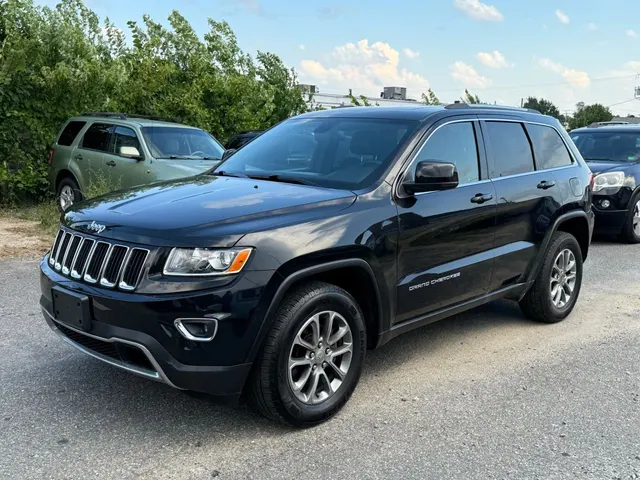
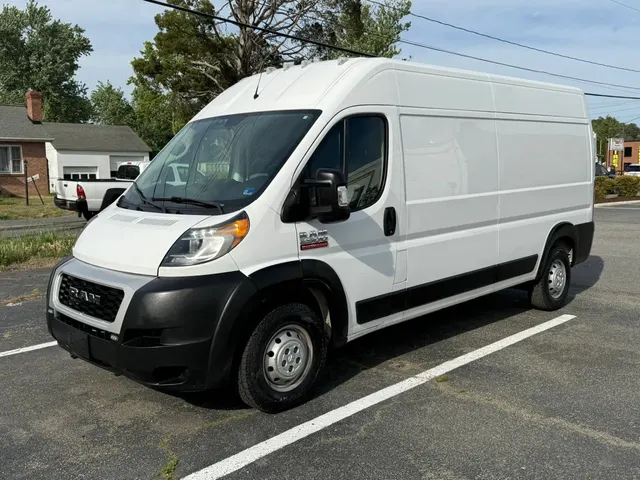
Work vans under $25,000 on our lot now
Live from our lot at 4606 Harrison Rd, Fredericksburg. Updated every few hours.

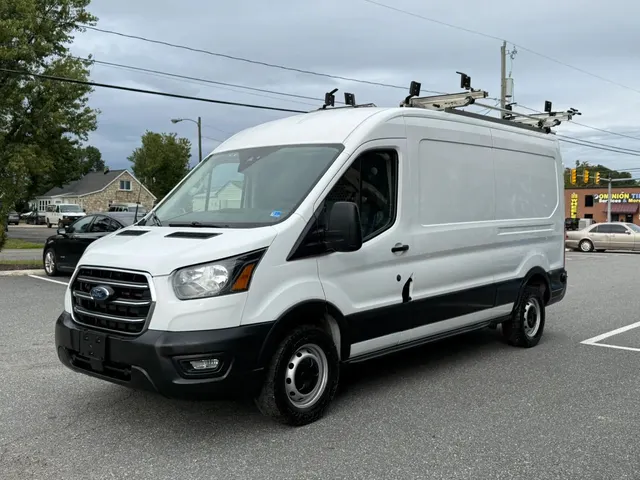
2021 Ford Transit
Connect Cargo Van Xl
Est. $318/mo*
Details→
2022 Ford Transit
150 Cargo Van Low Roof W/rwb
Est. $397/mo*
Details→
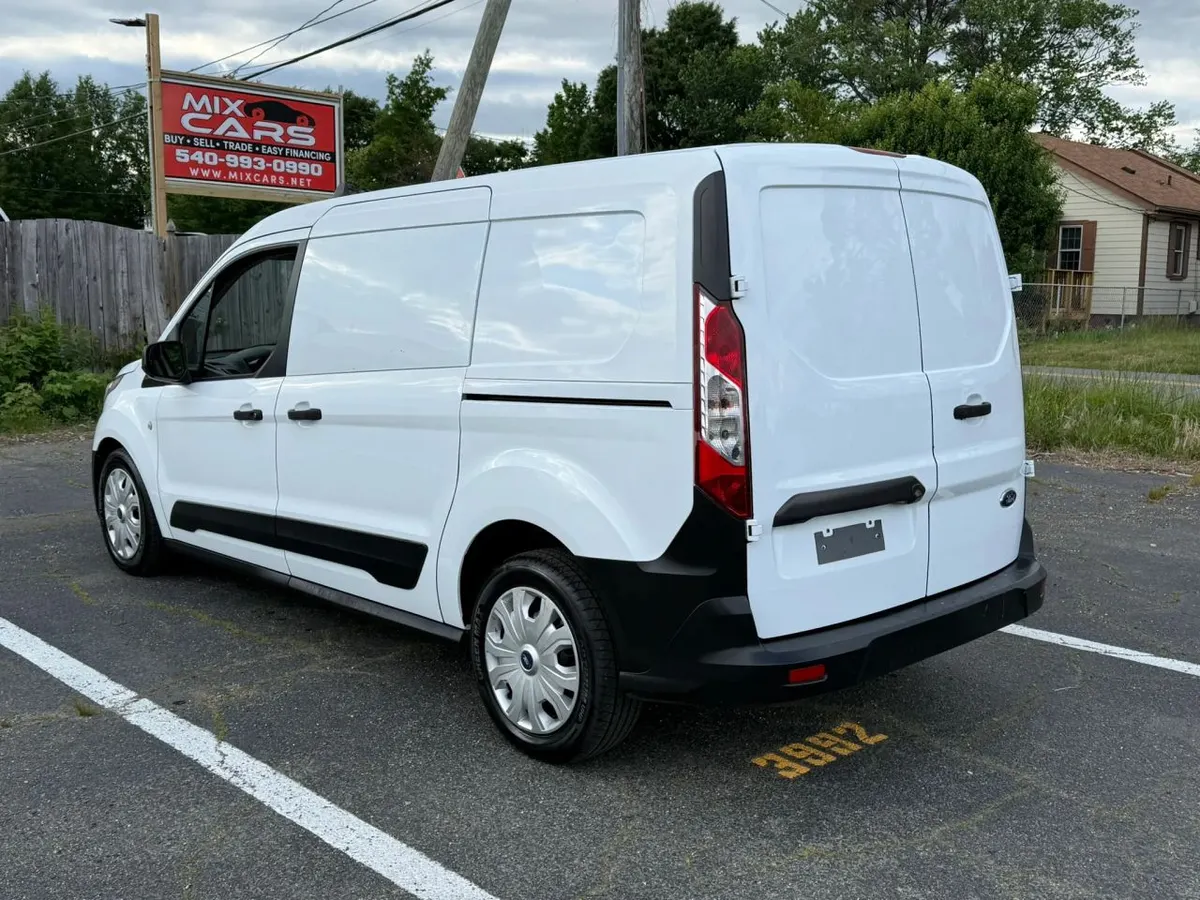
2015 Ford Transit
Connect Cargo Xl
Est. $250/mo*
Details→
2018 Ford Transit
250 Van Low Roof W/60/40 Side Door W/lwb
Est. $375/mo*
Details→*Estimate only: 12.9% APR, 60 months, $1,000 down, with approved credit. Excludes the $799 dealer processing fee, taxes, tags and title.
Have a question about financing a work van?
Questions people ask
Can I get a work van loan with a 580 credit score?
Possibly. 580 is the bottom of the fair range for FICO Scores (580 to 669). Experian says a fair score may still qualify for many financial products, but likely not at the best rates and terms, and each lender sets its own minimum. A bigger down payment, income you can document and lower existing debts all help. No lender or dealer can promise approval before the lender has decided.
Do I need business credit to finance a van for my business?
No. A sole proprietor applies on personal credit: the SBA notes a sole proprietorship isn’t a separate entity, and Experian says lenders see a sole proprietor’s personal and business credit as closely linked. An LLC or corporation can borrow in its own name, and lenders then look at its business credit history; if it has little or none, expect to give a personal guarantee.
Should I buy the work van in my name or my LLC’s name?
It depends on liability and taxes, so ask your accountant before you apply. A loan in the LLC’s name is judged on the business’s credit and often needs your personal guarantee anyway: in the Federal Reserve’s 2025 survey, 59% of small employer firms with debt had used one. The IRS explains depreciating a business vehicle in Publication 946.
What documents do I need to finance a van if I’m self-employed?
Experian lists six to 12 months of bank statements showing business income, tax returns with your 1099s and Schedule C, a year-to-date profit and loss statement, and invoices or contracts that show ongoing work. To borrow in a business’s name, add its license and registration, ownership documents, EIN and business financial statements. Each lender sets its own list, so ask before you apply.
How much should I put down on a used work van?
Experian suggests at least 10% down on a used vehicle to help qualify for the best rates: $2,200 on a $22,000 van. More lowers the loan-to-value ratio, which the CFPB says lenders weigh and which may lower the rate you’re offered, and it makes owing more than the van is worth less likely.
Is a 72-month loan on a used van a bad idea?
It lowers the payment and raises the total interest. The CFPB notes some experts recommend five years or less, because longer loans are more likely to leave you owing more than the vehicle is worth. The tables under “Down payment and term” show both on a $22,000 example.
Will shopping for a van loan hurt my credit?
Usually not much. The CFPB says getting quotes from several lenders generally won’t affect your credit score, and suggests keeping your shopping within 14 to 45 days so the credit checks count as only one inquiry.
Is approval guaranteed?
No. Mix Cars works with multiple lenders and with every kind of credit, including self-employed buyers, but the lender makes the decision, based on your credit, income, debts, down payment and the van.
Are the payments on this page an offer?
No. They are estimates at example assumptions: 12.9% APR, 60 months, $1,000 down, with approved credit. Excludes the $799 dealer processing fee, taxes, tags and title. The rate you’re offered comes from a lender after a credit decision, and depends on your credit.