The short answer
A buy here pay here dealer lends you its own money, often without a credit check; dealer-arranged financing sends your application to banks, credit unions and finance companies.
Buy here pay here usually costs more: in Federal Reserve data on loans from 2018 to late 2025, its loans to subprime borrowers averaged 25.39%, against 14.60% from traditional lenders, and many report only late payments. At either kind, get the APR, the credit reporting and any payment device in writing.
How each one works
The CFPB describes three ways to finance a car: directly from a bank or credit union, through the dealer, or from a buy here pay here dealer that makes the loan itself. In the first two, a bank, credit union or finance company makes the loan; in the third, the dealer does.
Buy here pay here
The dealer both sells and finances the cars on its lot, and you make your payments to the dealer. Experian notes you likely won’t have a credit check; you show instead that you can afford the payments, with proof of employment and residency, and payments might be due weekly or every two weeks. The dealer decides first what you qualify for, then shows you which cars fit. The CFPB says these dealers typically finance loans in-house for borrowers with no credit or poor credit, and that they tend to advertise “no credit check” or “No Credit, No Problem”.
It serves buyers other lenders often turn away. The Federal Reserve found that many of these borrowers would likely have had difficulty getting credit from banks, credit unions or automakers’ finance companies, and Experian lists the upside plainly: lower approval standards, and the buying and financing are done when you drive off the lot.
Dealer-arranged financing
The dealer’s finance office sends your application to one or more lenders: banks, credit unions and auto finance companies. A lender that wants the loan quotes the dealer a “buy rate”, and the CFPB notes the rate you’re offered can include extra interest that pays the dealer for arranging it. It also says most dealers contact about five lenders and present one offer, and that you can ask whether there were others with lower rates. You pay the lender, usually monthly.
Directly from a bank or credit union
A preapproval gives you a rate, term and maximum amount before you shop, and lets you compare it with what any dealer offers. The CFPB suggests checking with a bank or credit union even without a strong credit score.
| What | Buy here pay here | Dealer-arranged |
|---|---|---|
| Who lends | The dealer itself | A bank, credit union or finance company the dealer sends your application to |
| Credit check | Often none; proof of employment and residence instead | Yes; checks within 14 to 45 days count as one inquiry |
| Who you pay | The dealer, often weekly or every two weeks | The lender; traditional lenders’ loans are almost all monthly |
| Average rate, subprime borrowers | 25.39% | 14.60% at traditional lenders overall |
| On-time payments reported? | Often only late payments are | Most lenders report to all three bureaus |
| Choosing the car | The dealer decides what you qualify for first | Choose the car, then finance it |
Sources: the CFPB on ways to finance a car and on “no credit check” dealers, Experian on buy here pay here; average rates from the Federal Reserve for loans reported from 2018 through the third quarter of 2025. Practices vary by dealer and lender.
Mix Cars works with multiple lenders. The facts on this page come from the CFPB, the FTC, the Federal Reserve, Experian and the Code of Virginia, linked where they appear, so you can check them and use them at any dealer.
Rates and terms
A May 2026 Federal Reserve study of credit records compared loans made by independent dealers, which it uses to stand for buy here pay here dealers, with loans from traditional lenders, separately for subprime and prime borrowers. For subprime borrowers, buy here pay here loans carried a much higher rate over a shorter term: smaller loans, bigger payments.
| Figure | Buy here pay here | Traditional lenders |
|---|---|---|
| Average rate | 25.39% | 14.60% |
| Average term | 55 months | 64 months |
| Average amount financed | $15,402 | $17,424 |
| Average payment | $405/mo | $350/mo |
| Weekly or two-weekly payments, where recorded | 14.43% | 0.67% |
Source: Federal Reserve Board, Subprime Auto Lending: Trends in Buy Here Pay Here Auto Lending (FEDS Notes, May 8, 2026), Table 1: loans reported from 2018 through the third quarter of 2025, from the New York Fed Consumer Credit Panel/Equifax. The rate is the Fed’s weighted average rate derived from each loan’s amount, term and payment. The payment schedule is a share of balances, among the loans whose schedule the data records.
The payment schedule matters too. Where the data records it, 14.43% of buy here pay here subprime balances were on weekly or every-two-weeks payments, against 0.67% at traditional lenders, and the Fed notes that weekly payments create more opportunities to miss a payment. Prime borrowers paid more at buy here pay here dealers too: 11.81% on average, against 5.65%.
Here is what the two subprime averages do to the same car.
| At the average rate for | Estimated payment | Total interest, about |
|---|---|---|
| Buy here pay here25.39% average rate | $325/mo | $8,500 |
| Traditional lenders14.60% average rate | $259/mo | $4,540 |
Estimates only, not offers: a $12,000 car, $1,000 down, 60 months, at the Federal Reserve’s average rates for subprime borrowers (loans reported from 2018 through the third quarter of 2025). Excludes the $799 dealer processing fee, taxes, tags and title. Interest is the payments minus the amount financed.
At the buy here pay here average, the estimate is $66 a month higher and costs about $3,960 more in interest over the loan.
Down payments and fees vary by dealer. Experian notes that some buy here pay here dealers require a larger down payment, some ask little or none, and some add a slew of fees. For current rates on traditional loans at each credit score, see the Experian table in how to finance a car with bad credit.
Does it build your credit?
Only if the payments reach your credit reports. Experian notes that most legitimate auto lenders report your payments to all three bureaus, so on-time payments help. Buy here pay here is where that often breaks down: the CFPB says these dealers often report only negative information, like late payments, and not your on-time payments. A late payment hurts; a year of on-time ones may not help.
There’s a trade-off in the other direction. Because many buy here pay here dealers don’t check credit, Experian notes that applying likely won’t add a hard inquiry to your report. Dealer-arranged financing does, though the CFPB says auto-loan checks within 14 to 45 days count as a single inquiry.
The stakes run both ways: Experian notes that a repossession stays on your credit report for seven years from the first missed payment that led to it.
Payment devices and repossession in Virginia
GPS trackers and starter-interrupt devices
Some lenders install a device that can keep the car from starting if a payment is late, which the FTC says is sometimes called a “starter interrupt” or “kill switch”. Depending on your contract and your state’s law, the FTC says, using one might count as a repossession, or as a breach of the peace, and it suggests asking your state attorney general.
As of September 2026, we found no Virginia statute written specifically about starter-interrupt or GPS payment devices on financed cars. So the details are mostly in your contract, alongside general rules such as the breach-of-the-peace limit on repossession (§ 8.9A-609, below). Read your contract’s device clause before you sign: when the device can be used, whether you’re warned first, and what happens in an emergency.
Repossession under Virginia law
Virginia’s rules are in Part 6 of Title 8.9A of the Code of Virginia, and apply to a lender that holds a lien on the car, buy here pay here or not:
- Taking the car. After a default, the lender may take the car without going to court, as long as it doesn’t breach the peace (§ 8.9A-609). Your contract says what counts as a default; the FTC notes a missed payment is the typical example.
- Notice before a sale. Before selling the car, the lender must send you a signed notice (§ 8.9A-611). For a consumer, it must say whether you’ll owe any shortfall and give a phone number for the amount needed to get the car back (§ 8.9A-614). A notice sent 10 or more days before the sale is considered timely (§ 8.9A-612).
- Getting it back. Until the car is sold or under contract to be sold, you can redeem it by paying everything the loan secures plus the lender’s reasonable expenses and, if your contract provides for them, its reasonable attorney’s fees (§ 8.9A-623). The notice form in § 8.9A-614 puts it plainly: the full amount you owe, “not just the past due payments”.
- After the sale. The sale must be commercially reasonable (§ 8.9A-610). The money goes first to the lender’s costs of taking and selling the car (and reasonable attorney’s fees, if your contract provides for them), then to your loan; if anything is left, it’s yours, and if it falls short, you owe the difference (§ 8.9A-615). Ask in writing and the lender must explain how it calculated that shortfall, or waive it, within 14 days of your request (§ 8.9A-616).
Repossession is far more common at buy here pay here dealers. In the Fed’s snapshot of the third quarter of 2025, about 5% of buy here pay here balances were in active repossession, 16.63 times the share at traditional lenders, and 10% were 30 to 119 days past due, against 3.8%. Experian adds that at a buy here pay here dealer you may get less leeway before repossession.
This is a summary of the statutes, not legal advice. Within these rules, your contract sets what counts as a default and whether there’s a grace period, so read your own. If you’re falling behind, the FTC’s advice is to call your lender before it comes to repossession and get any new arrangement in writing. If a lender doesn’t follow the rules, the Virginia Attorney General’s Consumer Protection Section takes complaints.
Questions to ask any lender
Most of these have a written answer somewhere in the paperwork. The CFPB says you can ask for the Truth in Lending disclosures (APR, finance charge, amount financed, total of payments) before you sign, and take them home to compare. The Buyers Guide on a used car’s window says whether it’s sold “as is” or with a warranty, and on the warranty it overrides the contract. Tick the questions off as you ask them, or print the list.
Questions to ask any car lender before you sign. Mix Cars, mixcars.net
0 of 14 checked
One more, at any dealer: make sure the financing is final before you drive away. With “spot delivery”, the CFPB explains, a dealer can call you back to say the loan fell through and offer worse terms; you don’t have to accept them, and the dealer should refund your down payment. If it wasn’t clear the deal wasn’t final, the CFPB says to complain to the FTC, or to the CFPB itself if it was a buy here pay here dealer. The FTC also warns that dealers may try to tack on add-ons, so check each line of the buyer’s order.
Estimate a payment
The estimator starts at a $12,000 car and an example 12.9% APR. Type in the averages above, 25.39% and 14.60%, or a rate you’ve been quoted, and change the price, down payment and term. The result is an estimate, not an offer; the APR on the contract is the one you’ll pay.
0 to 35%. Your rate depends on your credit.
Estimated payment
$250/mo
Estimate only: 12.9% APR, 60 months, $1,000 down, with approved credit. Excludes the $799 dealer processing fee, taxes, tags and title.
When you’re ready to apply, our online credit application takes a few minutes, and the financing page explains how it works. Mix Cars works with every kind of credit, and the lender makes the decision. If you have a car to trade, get its trade-in value first.
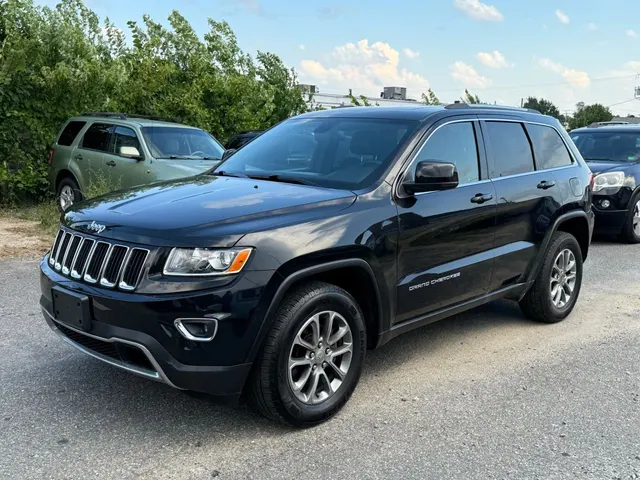
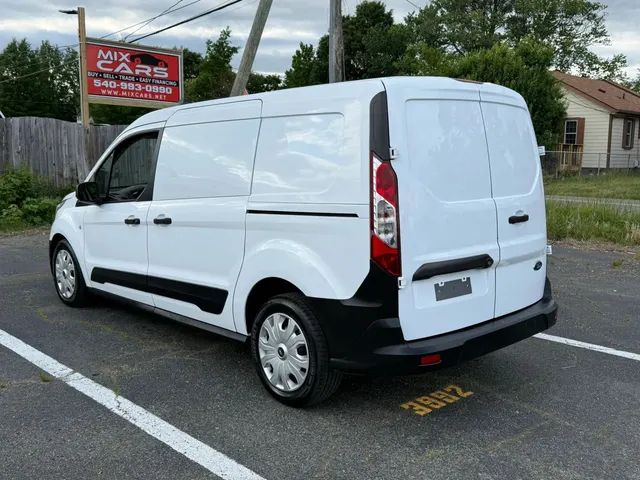
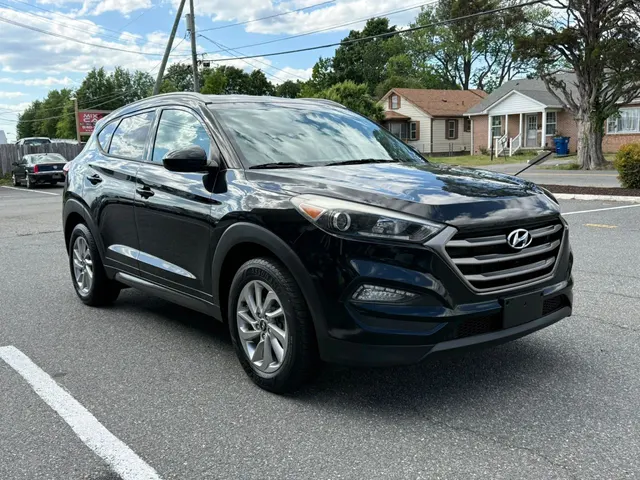
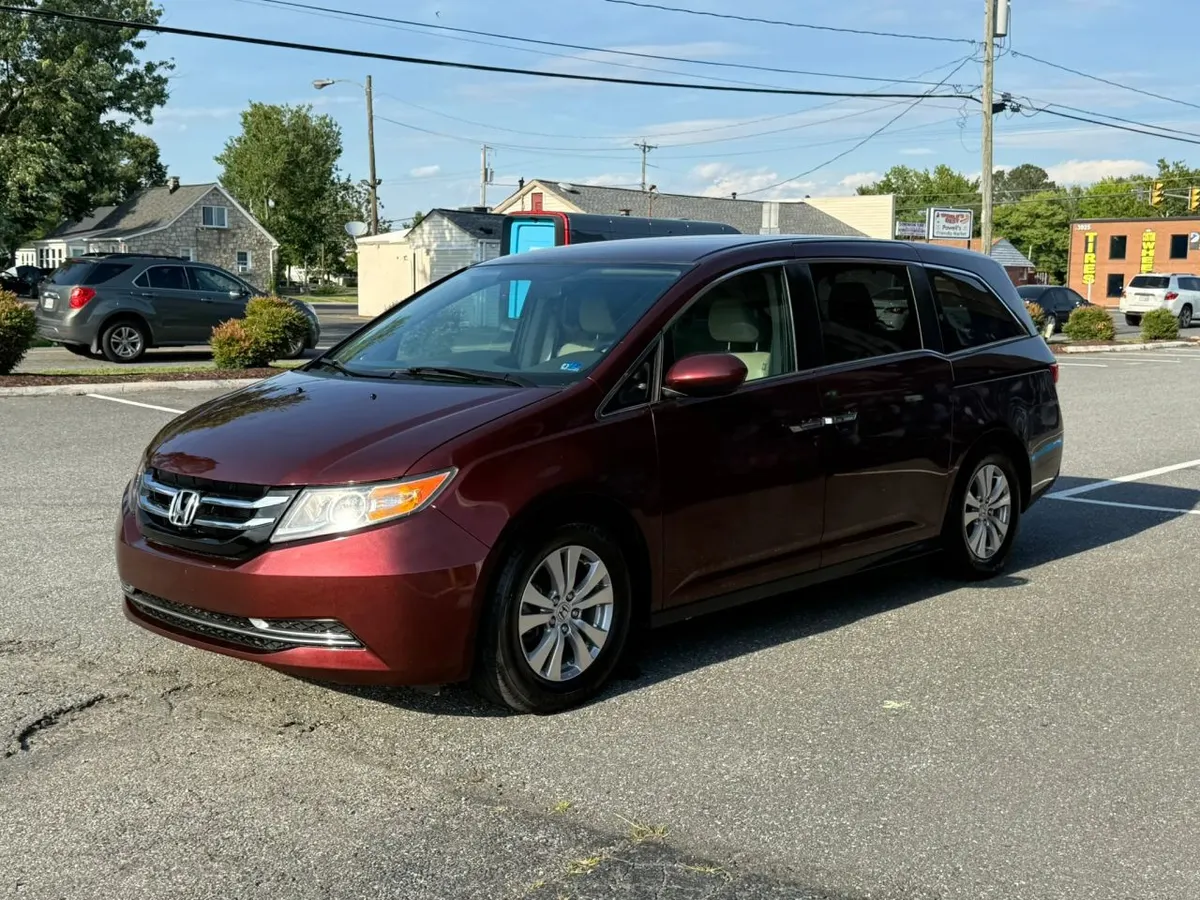
Cars and vans under $15,000 on our lot now
Live from our lot at 4606 Harrison Rd, Fredericksburg. Updated every few hours.

2019 Honda Accord
Lx
Est. $295/mo*
Details→
2015 Ford Transit
Connect Cargo Xl
Est. $261/mo*
Details→
2012 Hyundai Sonata
Limited
Est. $318/mo*
Details→
2016 Chevrolet Impala
Lt
Est. $295/mo*
Details→*Estimate only: 12.9% APR, 60 months, $1,000 down, with approved credit. Excludes the $799 dealer processing fee, taxes, tags and title.
Have a question about financing a car?
Questions people ask
What is the difference between buy here pay here and dealership financing?
Who lends you the money. A buy here pay here dealer sells the car and makes the loan itself, and you pay the dealer. With dealer-arranged financing, the dealer sends your application to one or more banks, credit unions or finance companies, and you pay the lender that takes the loan. You can also get a loan from a bank or credit union directly before you shop.
What interest rate do buy here pay here dealers charge?
It varies by dealer. In a Federal Reserve study of loans reported from 2018 through the third quarter of 2025, buy here pay here loans to subprime borrowers averaged 25.39%, against 14.60% from traditional lenders; prime borrowers averaged 11.81% at buy here pay here dealers and 5.65% elsewhere. The APR on your contract is the one that counts.
Do buy here pay here dealers report to the credit bureaus?
Some do and some don’t. The CFPB says many report only negative information, like late payments, so paying on time may not help your credit while a late payment still hurts it. Ask the dealer to put in writing that it reports on-time payments to Equifax, Experian and TransUnion, then check your free credit reports after a few months to see the loan listed.
Is in-house financing the same as buy here pay here?
Usually, yes. The CFPB describes dealers that advertise “no credit check” or “buy here, pay here” as financing loans in-house. “Your job is your credit” lots work much the same way, with the terms based on your income.
Can a lender put a GPS tracker or a kill switch on my car in Virginia?
As of September 2026, we found no Virginia statute written specifically about starter-interrupt or GPS payment devices on financed cars, so the details are mostly in your contract, alongside general rules such as the breach-of-the-peace limit on repossession (§ 8.9A-609). The FTC says that, depending on your contract and your state’s laws, disabling a car can count as a repossession or as a breach of the peace, and suggests asking your state attorney general. Read the device clause in your contract before you sign, and ask when the device can be used.
How fast can a car be repossessed in Virginia?
Once you’re in default under your contract, the Code of Virginia (§ 8.9A-609) lets the lender take the car without going to court, as long as it doesn’t breach the peace. What counts as default, and any grace period, is in your contract. Before selling the car, the lender must send you a notice, and one sent at least 10 days before the sale is considered timely. This is a summary, not legal advice.
Can I get my car back after it’s repossessed in Virginia?
Until the lender sells it or contracts to sell it, Virginia law (§ 8.9A-623) lets you redeem the car by paying everything the loan secures, not just the past-due payments, plus the lender’s reasonable expenses and, if your contract provides for them, its reasonable attorney’s fees. After a sale, you owe any shortfall, and if you ask in writing the lender must explain how it figured that amount or waive it.
Is buy here pay here ever the right choice?
It can be, as a last resort. Experian points out that approval standards are lower and the purchase and financing are done when you drive away, and applying often doesn’t add a hard inquiry to your credit report. It also calls the costs steeper and suggests trying a credit union, a co-signer or other lenders first.